

Estates and Inheritance
Inheritance, probate, and estate planning.

Learn when an estate can be settled at a notary's office, how the public deed of probate works, and what care the division of assets requires.
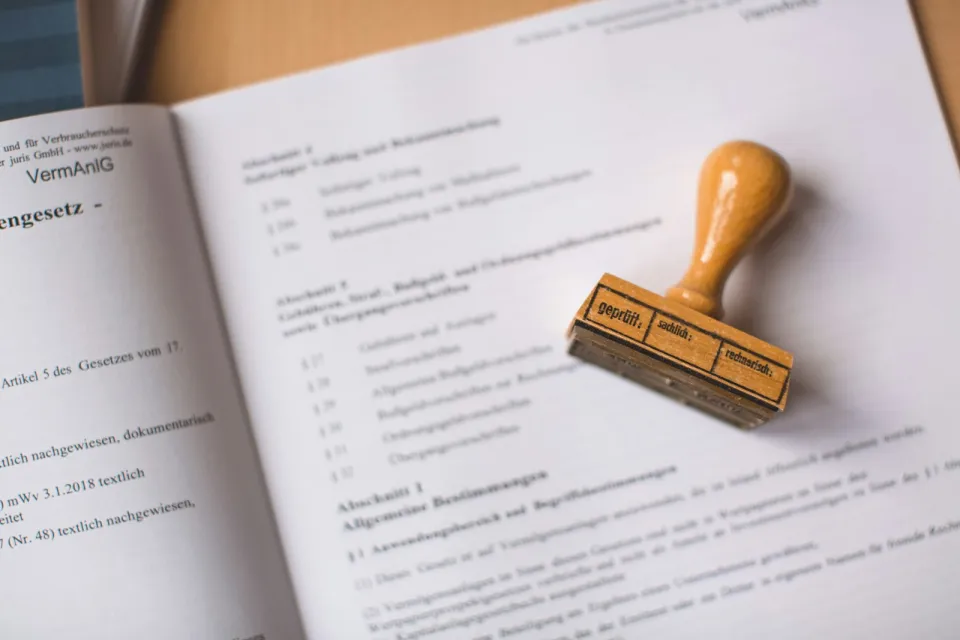
After a person dies, the assets, rights, and obligations that make up the estate must be identified, and it must be decided how they will pass to the successors.
Out-of-court probate (inventário extrajudicial) makes it possible to formalize the division of the estate by public deed at a notary's office (tabelionato de notas), without court probate proceedings, when the legal and regulatory requirements are met.
The public deed is a valid instrument for transferring the assets and putting their records in order, subject to the necessary steps before the respective agencies and registries.
Out-of-court probate does not mean the estate is transferred automatically. The documents, the rights of those involved, and the tax obligations need to be examined.
To use the out-of-court route, the division of the estate must be agreed upon; disagreements that require a court decision may rule out this option. The analysis also considers the family makeup, whether there is a will, and the rights involved.
Those involved must be assisted by an attorney or public defender, who will be identified in the deed. Information must also be gathered on the assets, rights, debts, and other elements relevant to the succession.
A will does not automatically prevent out-of-court probate. First, however, the will must be opened in court, and the judge must expressly authorize the notarial route. If the will acknowledges a child, the probate must be handled in court.
The regulations also allow out-of-court probate in specific cases involving minors or incapacitated persons, with specific division requirements and a favorable opinion from the Public Prosecutor's Office.
When there is no consensus or the conditions for the deed are not met, court probate may be necessary.
The documents vary according to the assets, the deceased's marital status, and the situation of those involved. Some groups of documents are usually part of preparing the probate:
Death certificate, identification documents, CPF (Brazilian individual taxpayer ID), marital status certificates, and information on the heirs, the surviving spouse or partner, and other interested parties.
Property registration records (matrículas) and other real estate records, vehicle documents, and information on accounts, investments, corporate interests, and other assets, as applicable.
Information on the estate's obligations, expenses, and other commitments that need to be considered in settling the estate.
Certificates, declarations, powers of attorney, and other documents may be required depending on the specific situation and applicable procedures.
Note
The list is not exhaustive. The notary's office and the professionals involved may identify additional requirements.
The procedure involves organizing the information, agreeing on the division of the estate, and executing the public deed. The general stages include:
Identifying those involved, the assets, rights, debts, and documents needed.
Legal analysis of the information and division of the assets, according to the successors' rights and the agreement reached.
Formalizing the probate and the division of the estate at the notary's office, once the applicable requirements are met.
Registration, transfer, and other steps to put the assets in the owners' names.
Please note
These stages are an overview. Document and tax steps may take place at different times, depending on the case.
Probate may involve the state inheritance and gift tax (ITCMD), notary fees, document costs, and costs of putting the assets in the heirs' names. The analysis should consider the assets, the applicable state or Federal District law, and any legal cases of exemption or cases in which the tax does not apply. The calculation and payment of the tax, as well as the tax requirements for later acts, must follow the relevant law.
The regulations of the National Council of Justice (CNJ) no longer require proof of prior ITCMD payment before the public deed of probate and division is executed. This does not eliminate the tax owed or set aside the applicable tax rules.
The public deed, tax payment, and registration of the assets are related matters, but they are not necessarily the same act.
Editorial note
Whether out-of-court probate is available depends on the legal and regulatory conditions that apply to the succession. This information is general and does not replace a legal analysis of the documents, those involved, and the assets.
Reviewing the documents, inheritance rights, and terms of the division helps identify the right steps for each situation.
Yes. The public deed of probate and division requires the assistance of an attorney or public defender, under the applicable law.
Under certain conditions, yes. The regulations allow the out-of-court route in specific situations, subject to requirements regarding the will, court authorization, and those involved.
A minor heir does not automatically rule out the out-of-court route. There are special requirements, including protection of the minor's rights and a favorable opinion from the Public Prosecutor's Office.
Current CNJ regulations do not require proof of prior payment to execute the deed. The tax obligation remains and must be met under the applicable law.
There is no guaranteed completion time. The duration depends on the documents, the assets, those involved, and the steps required.
The deed is a valid instrument for the transfers, but registrations and other specific steps before the competent agencies may be required.
Explore the related topics. Select a card to read the details.Use the arrows to browse each topic.
Inheritance, probate, and estate planning.

Review of legal options for organizing, during one's lifetime, the future transfer of assets.

Guidance on probate handled by the courts, the role of the estate administrator (inventariante), and situations that require a court decision.

Guidance on transferring assets during one's lifetime while reserving usufruct, the rights involved, and the legal precautions.

Guidance on placing family assets and holdings in a company, gifting quotas to heirs, and the tax and succession effects.

Guidance on drafting, interpreting, and carrying out testamentary provisions.

Review of heirs' rights and organization of the division of assets and inheritance rights.

Legal guidance on disagreements over the inheritance and its division.
Steps concerning assets left out of the original division and other outstanding estate matters.
Explore more content on inheritance, asset transfers, and estate planning. Information to help you understand asset and family matters.

Inheritance and gift tax varies with what is included in the calculation and when the transfer occurs. Learn what really drives the cost of an estate in Santa Catarina.
Read article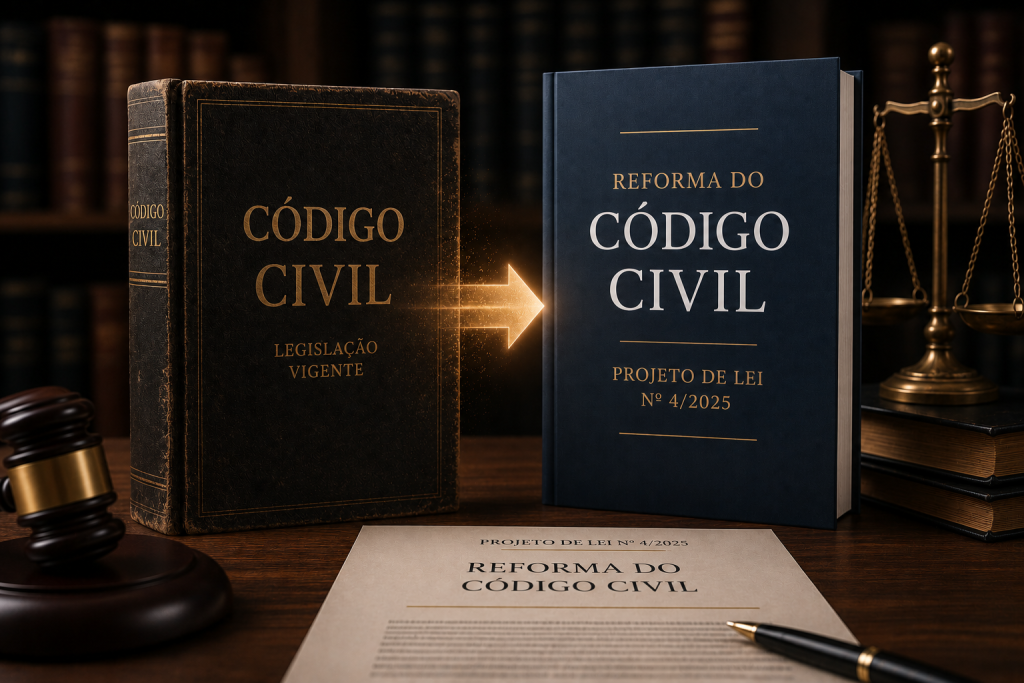
Learn the main changes proposed in the Civil Code reform and how they may affect probate, inheritance, wills, digital assets, and asset planning.
Read article
Learn how inheritance works when there are assets abroad, the difference between applicable law and jurisdiction, and the precautions in probate.
Read article