


Estates and Inheritance
Inheritance, probate, and estate planning.

Learn how a lifetime transfer of assets with reserved usufruct works, which rights stay with the donor, and the precautions this decision involves.

A gift with reserved usufruct (doação com reserva de usufruto) allows the bare ownership of an asset to be transferred to another person while the donor keeps certain rights to use it and benefit from it financially.
With real estate, for example, it is possible to make the gift and keep the right to live in the property or to receive rental income, under the agreed terms.
The person who receives the gift becomes the bare owner. The person who keeps the usufruct retains the rights of use and enjoyment set out in the transaction while it lasts.
An important distinction
A gift with reserved usufruct is not the same as leaving an asset to someone only after death. The transfer of bare ownership happens during the donor's lifetime and has property consequences from the moment it takes effect, subject to the legal requirements.
The decision to give an asset and keep its usufruct may arise in different family and property contexts. Here are some situations that help explain this arrangement:
A person plans to give the bare ownership of a property to their children but wants to keep the usufruct.
The transaction can be part of estate planning, provided that the heirs' rights, the legal limits on gifts, and the consequences for the family's assets are taken into account.
A mother wants to give her apartment to her daughter but plans to keep living there.
Reserving the usufruct can preserve the right to use the property without preventing the transfer of bare ownership. The rights involved must be properly defined.
A person owns a property that generates monthly income and plans to transfer its bare ownership while keeping the usufruct.
The usufruct may preserve the right to receive the fruits of the asset, including rental income, under the law and the terms of the transaction.
A family owns more than one property and wants to consider how to organize their transfer among the beneficiaries.
A gift with reserved usufruct may be one of the options considered, but whether it fits depends on the makeup of the assets, inheritance rights, and tax effects.
Editorial note
The examples are hypothetical. Whether a gift with reserved usufruct is suitable depends on each family's circumstances and the features of the assets involved.
In a gift with reserved usufruct, bare ownership and usufruct are different rights over the same asset.
Becomes the holder of the asset's bare ownership, transferred during the donor's lifetime.
Must respect the usufruct created: use and enjoyment stay with the donor.
Holds property rights subject to the limits of this legal situation.
Retains the rights of use and enjoyment set out in the usufruct.
May use the property or receive its fruits, as the case may be.
Takes on duties related to the upkeep and use of the asset, under the applicable law.
Holding bare ownership does not mean immediately having all rights to use the property.
Transferring an asset during one's lifetime requires attention to issues beyond the wish to give. The transaction may affect ownership, family succession, and tax obligations. The main precautions include:
The gift of bare ownership takes effect during the donor's lifetime, subject to the applicable formalization and registration requirements. For this reason, it is important to assess the impact of the decision on the assets and on the heirs' rights.
The scope of the usufruct should be clearly defined. Use of the property, receipt of income, upkeep, and responsibility for expenses are issues that deserve attention.
Depending on the circumstances, specific clauses may be considered, such as restrictions on sharing with a spouse or on sale (incomunicabilidade, inalienabilidade), or reversion. Each has its own effects and requirements.
The transaction may involve the state inheritance and gift tax (ITCMD), notary fees, and registration procedures. The requirements depend on the features of the asset and the applicable law.
Editorial note
A gift with reserved usufruct should be analyzed in light of the assets, the family makeup, inheritance rights, and the applicable tax rules. The information on this page is general and does not replace a legal assessment of a specific situation.
Before making a gift, it is important to understand what will be transferred, which rights will stay with the donor, and the consequences of the decision.
Yes. When the reserved usufruct covers this use, the donor can keep living in the property while it lasts.
As a rule, the usufructuary can receive the income generated by the asset, subject to legal limits and the agreed conditions.
The bare ownership can be sold under the conditions allowed by law, respecting the existing usufruct. Selling full ownership requires an analysis of the rights involved.
The transfer of bare ownership occurs during the donor's lifetime, but this does not mean that all assets will be exempt from probate (inventário). It depends on the other assets, inheritance rights, and the terms of the gift.
A gift cannot be freely canceled simply because the donor changed their mind. There are specific legal grounds for revocation and other situations that may affect its validity or effects.
The transaction may be subject to ITCMD. The applicable rules depend on current law, the asset transferred, and the features of the transaction.
Explore the related topics. Select a card to read the details.Use the arrows to browse each topic.
Inheritance, probate, and estate planning.

Review of legal options for organizing, during one's lifetime, the future transfer of assets.

Guidance on probate handled by the courts, the role of the estate administrator (inventariante), and situations that require a court decision.
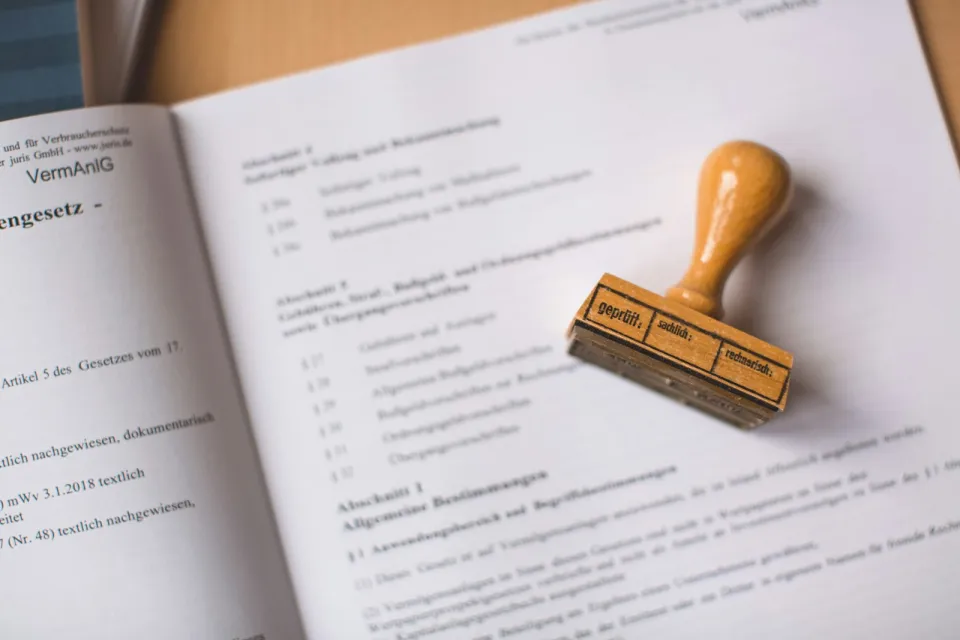
Guidance on probate at a notary's office by public deed and the requirements for this route.

Guidance on placing family assets and holdings in a company, gifting quotas to heirs, and the tax and succession effects.

Guidance on drafting, interpreting, and carrying out testamentary provisions.

Review of heirs' rights and organization of the division of assets and inheritance rights.

Legal guidance on disagreements over the inheritance and its division.

Steps concerning assets left out of the original division and other outstanding estate matters.
Explore more content on inheritance, asset transfers, and estate planning. Information to help you understand asset and family matters.

Learn how a lifetime gift with reserved usufruct works and what this tool changes in estate planning for family assets.
Read article
Learn why your children's agreement is not enough to divide assets during your lifetime: the forced share (legítima), the disposable portion, and a Superior Court of Justice ruling on excessive gifts.
Read article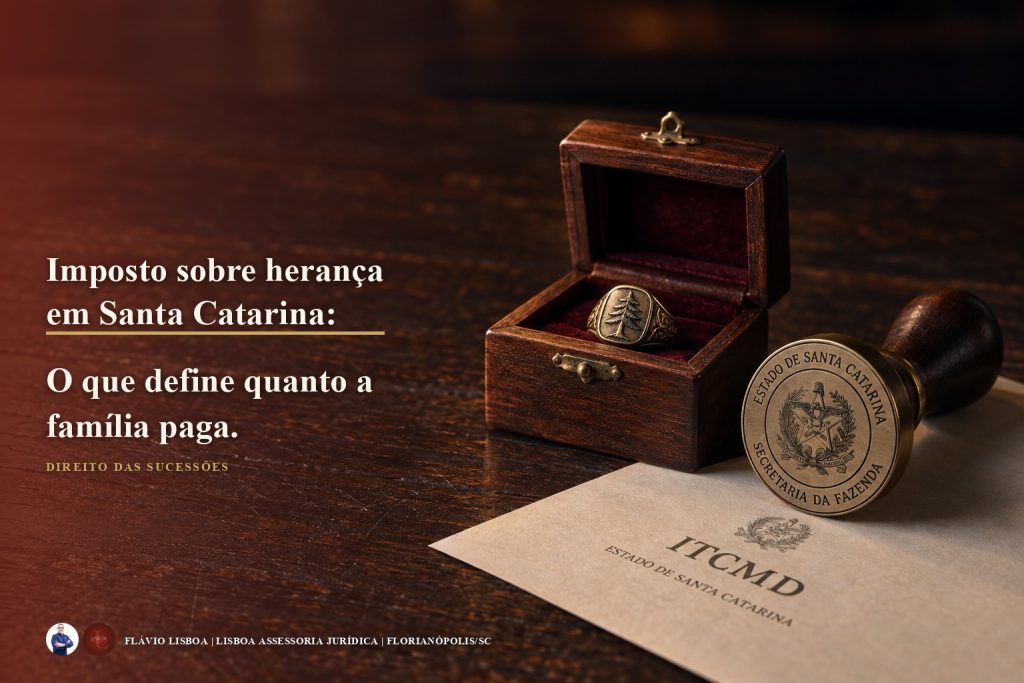
Inheritance and gift tax varies with what is included in the calculation and when the transfer occurs. Learn what really drives the cost of an estate in Santa Catarina.
Read article