
Right not to answer
No. The defendant has the right to remain silent and not to answer the questions asked, as provided in Article 186 of the Code of Criminal Procedure.
The trial hearing is the stage of a criminal case where evidence is produced and tested in adversarial proceedings, with a full defense. Legal assistance follows each act and takes the measures available.
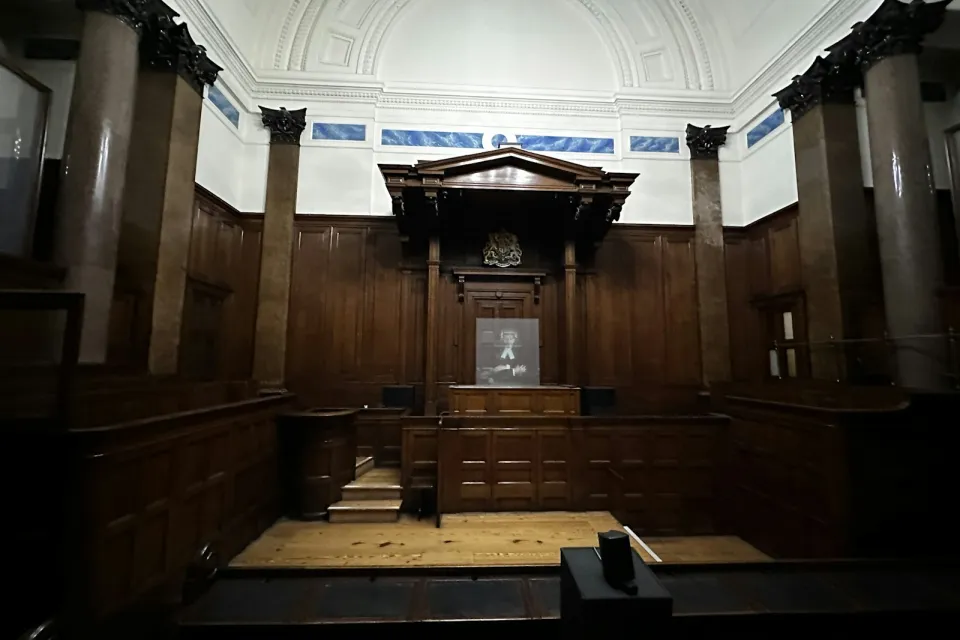
The trial hearing (audiência de instrução e julgamento) is the procedural step intended mainly for producing evidence before the judge in charge of the case. At this stage, the parties can present and challenge elements related to the charges and to the defense's account.
In the ordinary procedure, it takes place after the charges (denúncia or queixa) are accepted and the defense files its response, unless summary acquittal (absolvição sumária) applies. The hearing follows the Code of Criminal Procedure, subject to the particulars of each procedure.
The goal is to allow evidence to be examined in adversarial court proceedings so the parties can question testimony, clarify circumstances, and present their arguments.
The hearing brings together the acts in which evidence is produced before the judge. In the ordinary procedure, the Code of Criminal Procedure sets an order for producing evidence at the hearing:
The victim is heard to give their account of events and clarify the circumstances of the facts under investigation.
The witnesses named by the prosecution are heard and may testify about the facts, the people involved, and other relevant circumstances.
Next, the witnesses named by the defense are heard and may clarify the facts and dispute aspects of the charges.
When appropriate and requested in advance, there may be clarifications from experts, face-to-face questioning of witnesses with conflicting accounts (acareação), and identification of persons or objects.
After the other evidence, the defendant is examined and may give their version of the facts, clarify points raised during the evidentiary phase, or exercise the right to remain silent.
Please note
The order may vary depending on the applicable procedure, but the defendant's examination must, as a rule, take place at the end of the evidentiary phase, under the Code of Criminal Procedure and the case law of the Federal Supreme Court and the Superior Court of Justice.
The defense's work is not limited to attending the hearing. Legal assistance involves procedural preparation, analysis of the evidence, and action during each evidentiary act. The main activities include:
Identifying contradictions, discrepancies, and information that may undermine the consistency of the accounts given.
Preparing relevant questions to clarify circumstances, confront versions, and test the credibility of the information presented.
Questioning evidence that shows irregularities or was obtained in breach of legal requirements.
Requesting additional measures when facts or circumstances arise that justify producing new evidence.
Making the submissions and requests needed to preserve the rights of the defense and allow any irregularities to be reviewed.
Each measure must take into account the body of evidence and the specific legal objectives of the case.
At the hearing, evidence is produced before the judge, and testimony and clarifications are weighed against the other elements in the case file. Reading them together helps in understanding the context of the facts, separating the circumstances already clarified, and identifying the points that still need further examination before a decision.
This is especially relevant because, under Article 155 of the Code of Criminal Procedure, the judge must form a conviction based on evidence produced in adversarial court proceedings and may not base the decision solely on information gathered in the investigation, except for precautionary, non-repeatable, and anticipated evidence.
For this reason, analyzing testimony, identifying contradictions, and examining the lawfulness of the evidence presented may have a significant influence on how the case is assessed.
The examination is the act in which the defendant is heard on the facts attributed to them. Two aspects deserve attention:
No. The defendant has the right to remain silent and not to answer the questions asked, as provided in Article 186 of the Code of Criminal Procedure.
The examination is also a means of self-defense, allowing the person to give their account of events, clarify relevant issues, or choose not to answer.
Silence is not a confession and cannot be interpreted against the defense. The decision on how to exercise this right should consider the circumstances of the case and be made with legal advice.
After the evidence is produced, the parties may request additional steps when the need arises from circumstances or facts established during the evidentiary phase.
If no steps are pending, or if they are denied, the closing arguments are presented, usually orally. In more complex cases or those with several defendants, the judge may set a deadline for written closing briefs (memoriais).
After this stage, the judge analyzes the arguments and the evidence produced to issue the judgment, which may be a conviction or an acquittal.
If there is a final conviction, the case may move on to the sentence enforcement stage (execução penal), where the conditions and rights related to serving the sentence are examined.
Legal assistance involves preparation before the hearing, action during the production of evidence, and analysis of the procedural outcomes. In practice, this happens at three points:
The defense examines the charges, documents, testimony, and other available evidence, identifying issues that need to be clarified and defining the appropriate measures.
The defense follows the testimony, asks questions, makes submissions, and assesses the need to challenge evidence or request further measures.
The defense analyzes the outcome of the evidentiary phase and helps prepare the closing arguments and the appropriate procedural measures as the case moves forward.
Producing evidence is a decisive stage of a criminal case. Legal assistance makes it possible to analyze the case, prepare the defense, and take the necessary measures during the evidentiary phase.
They are procedural steps with different purposes. The custody hearing (audiência de custódia) takes place after an arrest, within 24 hours and as a rule by videoconference, and allows the judge to examine the lawfulness of the arrest, its circumstances, and whether precautionary measures should remain. The trial hearing takes place during the criminal case, and its main purpose is to produce evidence related to the charges.
Whether attendance is required depends on the procedural situation and the court's orders. When duly summoned, the defendant must comply and inform the defense in advance of any impediment. An unjustified absence may have procedural consequences, depending on the circumstances and the applicable rules.
Yes. Article 212 of the Code of Criminal Procedure provides that the parties put their questions directly to the witnesses. The judge may add questions on points that have not been clarified, within legal limits.
Yes. The defendant has the constitutional and statutory right not to produce evidence against themselves and to remain silent during the examination. Exercising this right cannot be interpreted as a confession or used against the defense.
As a rule in the ordinary procedure, the Code of Criminal Procedure provides for the production of evidence in a single hearing. However, the circumstances of the case, procedural issues, or difficulties in carrying out the acts may require a continuation or other measures, under the applicable law.
It depends on the nature of the irregularity, the procedural rule violated, and the circumstances of the case. A finding of nullity requires specific legal analysis and, in many cases, a showing of harm to the party raising it, as well as raising it at the proper procedural stage.
Not necessarily. Although the ordinary procedure provides for oral closing arguments and a possible judgment right afterward, the judge may set a deadline for written closing briefs when the complexity of the case or the number of defendants justifies it. The judgment may also be issued later, depending on the progress of the case.
Explore the related topics. Select a card to read the details.Use the arrows to browse each topic.
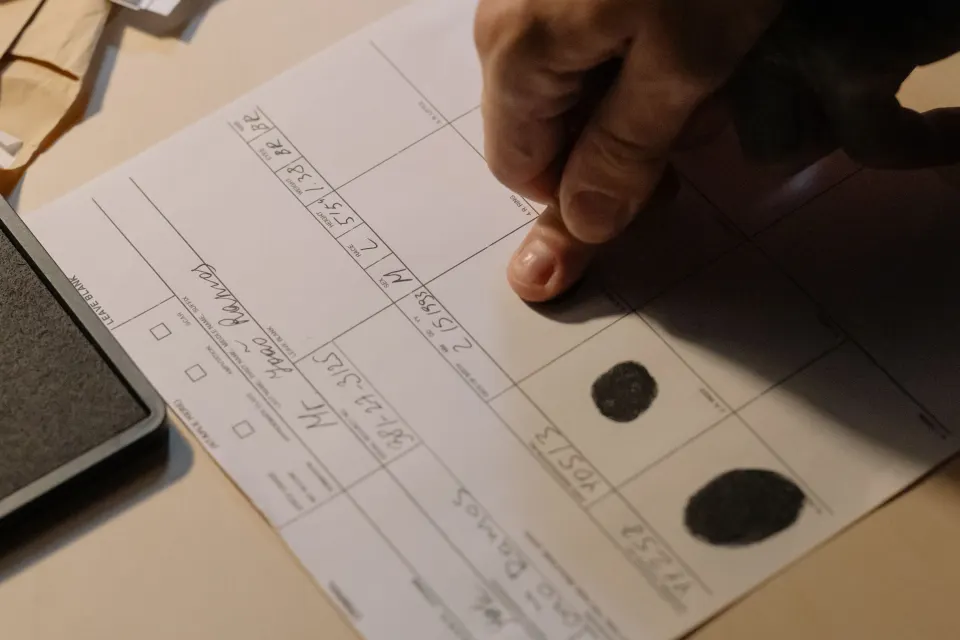

Legal defense and support in criminal cases.


Legal guidance and assistance in cases of arrest in flagrante delicto.

Review of the legal measures available regarding the lawfulness or necessity of detention.
Review of requests to revoke or replace pretrial detention.

Review of the lawfulness of the arrest and of the request for release.

Legal assistance during investigations and police proceedings.

Defense work throughout the different stages of criminal proceedings.

Review of the options for appeal and criminal review (revisão criminal), subject to the legal requirements.
Assistance with matters related to serving the sentence and progression to a less restrictive regime.
Legal information on criminal defense, criminal case support, and other criminal law topics. This content is informational and does not replace an individual review of your case.

In 2026, Law No. 15,384/2026 was enacted, amending the Maria da Penha Law (Law 11,340/2006), the Penal Code, and the Heinous Crimes Law to address an issue that until then had no specific criminal definition in Brazilian law: vicarious violence.
Read article