


International Law
Visas and residence for foreigners in Brazil.

Information on CPF registration for people living outside Brazil, when it may be needed, documents, and applicable procedures.
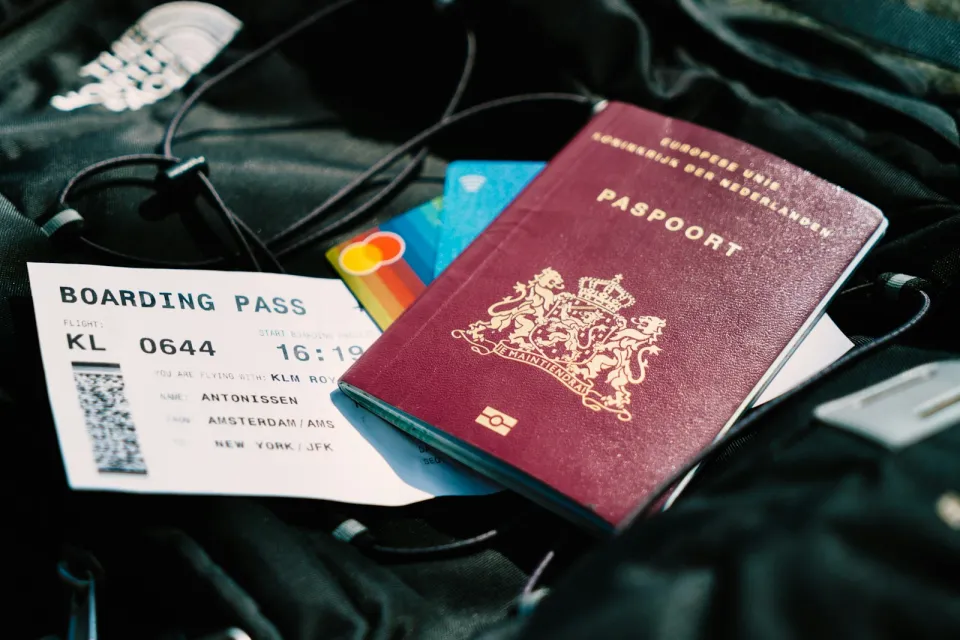
Brazilians and foreigners living outside Brazil can apply for a CPF (Brazilian individual taxpayer ID). The service is free, following the procedures for each profile.
The CPF (Cadastro de Pessoas Físicas) is the individual taxpayer registry kept by the Brazilian Federal Revenue Service (Receita Federal). It is a single registration number used in various legal and administrative dealings in Brazil. Anyone who already has a CPF does not need another one; any pending issues should be checked and resolved.
This page covers people who live outside Brazil. For foreigners who already live in the country, the registration procedures differ from those for non-residents.
From buying property to taking part in business in Brazil, various transactions may involve registration requirements for people living abroad. The main situations include:
For example, someone who lives in Europe or the United States and is negotiating an apartment in Florianópolis.
A property purchase deed usually requires the buyer's CPF number, including for a buyer who lives abroad, although not every notarial act requires it. If there is no number yet, registration must be arranged before the deed, and the time this takes should be built into the negotiation schedule.
For example, someone who emigrated and plans to invest or to keep or open an account in Brazil, or just wants to check their registration.
Banks and other institutions often ask for a CPF, but requirements vary by transaction and institution. Anyone who already has one does not need another: the first step is to check the registration status with the Federal Revenue Service and resolve any pending issue.
For example, someone living abroad who is an heir in a probate (inventário) with real estate, accounts, or other assets in Brazil.
As a rule, heirs are identified in the probate by their CPF number, and not having one may delay the division of the estate and the registration of assets in each heir's name. What to do depends on the type of probate, in court or out of court, and on each heir's situation.
For example, someone who plans to acquire an interest in a Brazilian company or make a certain investment in the country.
Depending on how the transaction is structured, those taking part as partners or investors may need to be identified in the Federal Revenue Service registry, and the CPF is one of the numbers used for this. For some regulated investments, the registration may be arranged by an institution that represents the investor in Brazil.
About the examples
The examples above are hypothetical and help identify common situations. In each, whether a CPF is required depends on the transaction and on who requires it; none makes it mandatory in every case.
Select your profile to see the matching documents and application channels.
A valid identification document and a birth or marriage certificate. The Individual Registration Form (Ficha Cadastral de Pessoa Física, FCPF), completed on the Federal Revenue Service website and signed, with the personal data requested on the form. The data must match the documents submitted.
Preferably by email to the Federal Revenue Service, after completing the FCPF; if that is not possible, at the nearest Brazilian consulate.
Brazilians who apply through the digital channel also send a photo holding the open document next to their face.
A valid identification document and a birth or marriage certificate. For a foreigner living abroad, the identification document is usually the passport. The Individual Registration Form (FCPF), completed on the Federal Revenue Service website and signed, with the personal data requested on the form. The data must match the documents submitted.
In person at the Brazilian consulate with jurisdiction over your area, by appointment through the e-Consular system.
The required documents depend on the consulate and on the applicant's situation. Before booking, check the consulate's current document list.
Minors under 16 have their own rules, involving the documents and the participation of the father, mother, or guardian. Documents issued abroad may require translation or legalization, depending on the consulate. Foreigners aged 16 or older with an address abroad may also have to update their CPF data every year through the Federal Revenue Service app, or the registration may be suspended. It is worth checking the current rule before applying.
A name that differs between documents, parents not shown on the certificate, a lost document, an existing CPF with irregular status, or a forgotten number are examples of situations that usually call for review before applying. In these cases, confirm the guidance with the consulate or the Federal Revenue Service and, if in doubt about the documents or the consequences of applying, seek legal advice.
About the application
The application is made directly through the official channels: the Federal Revenue Service, for Brazilians living abroad, and Brazilian consulates. The service is free, and hiring an attorney is not required to obtain a CPF. This information is general and does not replace an analysis of the specific case.
Individual taxpayer registry of the Federal Revenue Service. Available to people living outside Brazil.
A status defined by tax law, based on the person's actual situation. It triggers its own tax rules.
Having a CPF does not make you a tax resident of Brazil. Registration alone does not determine that status. People who split their lives between countries, or plan to move to Brazil, should review their tax situation separately.
Matters involving the CPF, documents, and property interests in Brazil may require individual guidance.
Yes. Brazilians and foreigners who live outside Brazil can apply for a CPF, and the service is free. What changes is the service channel, depending on nationality and place of residence.
No. The CPF is a registration; tax residency depends on criteria set by tax law, assessed according to each person's situation. Having the number does not determine that status, so people who live between countries should review their tax situation separately.
In general, the completed and signed Registration Form (FCPF), an identification document, such as a passport for foreigners, and a birth or marriage certificate. Brazilians applying through the digital channel also send a photo holding the document. Minors under 16 have their own rules, and the consulate may ask for other documents, so the current list should be checked before booking.
Yes. Brazilians can apply remotely: they complete the FCPF on the Federal Revenue Service website and email the documents to the CPF unit for residents abroad; if that is not possible, they go to the consulate. Foreigners living abroad are served in person at the Brazilian consulate with jurisdiction over their area, by appointment through the e-Consular system.
No. Registration is done directly through the official channels. Legal advice can help when the CPF is tied to other matters, such as inconsistent documents or documents issued abroad, buying property, probate with heirs who live abroad, holding an interest in a company, or questions about the tax consequences of moving to Brazil. In these cases, an attorney can review the documents and the intended transaction and indicate the appropriate steps.
Explore the related topics. Select a card to read the details.Use the arrows to browse each topic.
Visas and residence for foreigners in Brazil.

Review of resident or non-resident status for tax purposes in Brazil.

Guidance on contracts, documents, and legal issues involved in acquiring property in Brazil.

Guidance on immigration requirements and procedures for professionals who work remotely.

Guidance on visa types, residence permits, and immigration procedures in Brazil.

Review of corporate structures to organize foreigners' assets and investments in Brazil.

Review of contracts and legal issues in business and relationships with an international dimension.
Legal information on documents, assets, residence, and other topics involving more than one country. This content is informational and does not replace an individual review of your case.

Learn why a CPF is not a visa when it comes to inheritance, family, or assets in Brazil, and what each document does for those living abroad.
Read article
Learn how inheritance works when there are assets abroad, the difference between applicable law and jurisdiction, and the precautions in probate.
Read article